How a Pizza Restaurant Brings Italian Inspiration to the Table

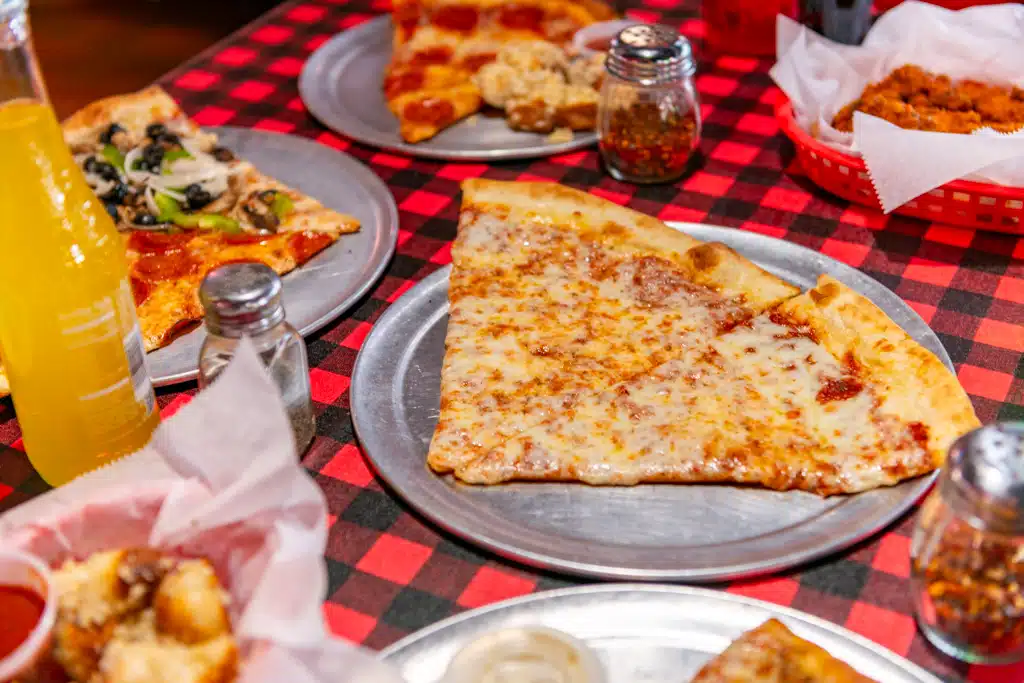
A strong pizza restaurant does more than serve dough, sauce, and cheese. It translates a way of eating that is deeply rooted in Italian life, where meals are social, ingredients matter, and simplicity is often harder to execute than complexity. The best places understand that Italian inspiration is not a matter of hanging a few black and white photos on the wall or adding a tricolor motif to the menu. It shows up in the flour, in the fermentation schedule, in the olive oil poured with restraint, and in the way the room feels at seven-thirty on a busy Friday night.
That kind of inspiration rarely arrives in one dramatic gesture. It is usually built through dozens of decisions, many of them small enough that guests notice them only indirectly. A crust that blisters at the rim and stays tender in the center. A tomato sauce that tastes bright rather than sweet. A menu that does not try to be all of Italy at once. A server who knows when to explain a dish and when to step back. These details create the difference between a place that simply sells pizza and a pizza restaurant that gives diners a genuine sense of Italian culinary thinking.
Italian influence begins with restraint
One of the biggest misunderstandings about Italian food is that it is easy because it is simple. Anyone who has spent time in professional kitchens knows the opposite is often true. When a dish has only a few elements, each one has nowhere to hide. Pizza is a perfect example. If the dough is weak, the pizza collapses. If the tomatoes are dull, the whole pie tastes flat. If the mozzarella releases too much water, the crust goes slack.
Italian cooking, especially in its most admired forms, relies on restraint and balance. A pizza restaurant that draws real inspiration from that tradition resists the urge to overbuild. It does not pile on eight toppings because abundance photographs well. Instead, it asks a harder question: what is necessary here, and what would only create noise?
A margherita is the clearest test. Flour, water, salt, yeast, tomato, mozzarella, basil, olive oil. That is not a lot to work with. Yet on a good night, in the hands of an experienced pizzaiolo, that pie can carry more character than a loaded specialty pizza with sausage, peppers, onions, bacon, hot honey, and three cheeses. The Italian lesson is not that toppings are wrong. It is that each addition must earn its place.
This applies beyond the pizza itself. The room matters too. Italian inspiration often feels warm rather than theatrical. The lighting is soft enough to flatter the table but bright enough to see the food. Music supports conversation instead of fighting it. Staff move with purpose, not performance. Guests come away with the impression that they were cared for, not managed.
The dough is where credibility starts
Ask anyone who works seriously in pizza, and the conversation tends to come back to dough within a few minutes. That is not chef vanity. Dough determines texture, flavor, digestibility, and timing. It affects labor planning, consistency, and oven performance. It is also where many restaurants reveal whether they are chasing trends or building a craft.
Italian inspiration in dough does not mean there is only one correct style. Italy itself offers plenty of variation. Neapolitan dough behaves differently from Roman dough. A teglia slice has its own logic. A contemporary puffy-crust pie may borrow from old traditions while adapting to local ingredients and modern customer preferences. What matters is that the dough has a point of view.
In practice, that usually means fermentation is taken seriously. A rushed dough can still be edible, but it rarely develops the depth that makes a crust memorable on its own. Many respected pizza programs allow anywhere from 24 to 72 hours for cold fermentation, sometimes longer depending on the flour, hydration, and service model. That time changes the dough. It improves flavor, helps with structure, and often creates a lighter eating experience.
There are trade-offs. Longer fermentation requires space, forecasting, and discipline. If a restaurant misjudges weekend demand, it cannot simply improvise a great batch in an hour. If dough is held too long, it can become overactive or fragile. In some climates, humidity can force constant adjustment. This is where the romance of artisan pizza meets the very practical reality of operations.
Guests may never hear those back-of-house conversations, but they taste the result. A well-managed dough has chew without toughness, char without bitterness, and enough internal air to stay lively after it leaves the oven. When a pizza restaurant gets that right consistently, it is usually because someone is paying attention long before the first ticket prints.
Sauce, cheese, and oil, the quiet architecture of flavor
People often talk about crust and toppings, but the middle layer of a pizza deserves more respect than it gets. Italian inspiration shows up clearly in what a restaurant does with tomatoes, cheese, and olive oil, not only in what brands it uses, but in how it handles them.
Tomato sauce for pizza should not be treated like pasta sauce. That distinction matters. A heavily cooked sauce with sugar, garlic powder, and dried herbs may have a place in some regional American styles, but it pushes a pizza in a different direction. Many Italian-leaning pizzerias prefer a lighter hand, sometimes using crushed tomatoes with salt and little else. The goal is freshness and acidity, not density.
Cheese presents its own set of choices. Fior di latte behaves differently from low-moisture mozzarella. Buffalo mozzarella can be luxurious, but it also brings extra moisture and a shorter holding window. Hard grating cheeses such as Parmigiano Reggiano or pecorino can sharpen flavor beautifully, though too much can overpower a delicate pie. There is no universal formula. The skill lies in matching the cheese to the style of pizza and the heat profile of the oven.
Olive oil is another subtle marker of seriousness. In careless hands, it becomes decoration, a glossy finish applied because it looks expensive. Used well, it rounds edges and carries aroma. A peppery oil can brighten greens and anchor a simple marinara. A softer oil may be better for finishing a white pie. Some restaurants overdo it, drenching the top so heavily that every slice tastes greasy by the second bite. Italian cooking at its best is more judicious than that.
These choices are not glamorous, but they are often what separate a good pizza restaurant from a forgettable one. Most diners cannot name every technical detail. They simply register that one pie tastes clean, vibrant, and complete, while another feels heavy and confused.
Regional Italy offers ideas, not a costume
https://eduardoqpak423.rivertonbrief.com/posts/what-every-food-lover-should-know-about-a-pizza-restaurantItalian food is often flattened into a single identity, but regional differences are part of what makes it compelling. A thoughtful pizza restaurant can draw on those differences without turning the menu into a geography lesson. The trick is to borrow with respect and clarity.
Naples offers the most obvious reference point because of its global influence on pizza. Soft dough, leopard spotting, restrained toppings, and intense heat remain a model for many modern pizzerias. But that is only one lane. Rome introduces a crisper sensibility, whether through round pizzas with more snap or rectangular slices with airy interiors. Liguria suggests restraint with vegetables and herbs. Emilia-Romagna can inspire the use of cured meats that are balanced rather than piled high. Sicily opens another conversation entirely around texture, thickness, and pan baking.
A smart restaurant does not try to mimic every region at once. That tends to create a menu that reads like a checklist. Better results come from selecting a few influences and integrating them naturally. A kitchen might build its core around a Neapolitan-style dough, then feature seasonal toppings inspired by central Italy, and complement the menu with antipasti that reflect northern habits of salumi and cheese. The cohesion matters more than the map.
Guests appreciate that coherence, even if they do not articulate it in those terms. Menus feel stronger when they seem to come from a real culinary perspective rather than a brainstorming session.
Italian inspiration reaches beyond the pizza itself
If a restaurant wants to bring Italian character to the table, pizza cannot carry the entire burden. The supporting cast has to make sense. This does not mean a giant menu. In fact, smaller supporting selections often feel more convincing.
A bitter salad with sharp vinaigrette can reset the palate before a rich pie. Roasted vegetables, marinated beans, or a plate of sliced prosciutto create contrast in texture and temperature. Desserts matter too. A modest affogato or a clean panna cotta often fits better than a towering chocolate construction that belongs to another concept entirely. Beverage choices can quietly reinforce identity, whether through Italian wines, amari, simple spritzes, or just sparkling water served without ceremony.
Bread service is not essential in a pizza restaurant, but seasoning judgment is. Italian tables usually value balance across the meal. If every starter is salty and every pizza is loaded, diners fatigue quickly. If a white pizza is rich with cheese, perhaps the starter should be brighter. If a spicy salami pie is a signature seller, a cooling side or low-intervention red with fresh acidity can make the whole experience work better.
This level of thinking sounds obvious, yet many restaurants miss it because they design items individually instead of considering how a table actually eats. Italian inspiration often reveals itself in this broader choreography. The meal feels like it has a rhythm.
The oven shapes both flavor and theater
No discussion of pizza can ignore the oven. It is not the only thing that matters, but it changes the product so dramatically that every restaurant has to choose its path. Wood-fired ovens carry romance and visual appeal. Gas ovens offer consistency and easier control. Electric deck ovens, often underrated, can produce excellent results in capable hands and are especially useful in spaces with ventilation constraints.
Italian inspiration does not require a wood flame, though many guests assume otherwise. What matters is whether the chosen oven matches the intended style. A true Neapolitan pie benefits from intense heat, often above 800 degrees Fahrenheit, with a very short bake. A crisper Roman-style pizza may need a different approach. Pan pizzas, naturally, ask something else again.
The oven also influences service. High-heat pies move fast and are at their best within moments. That affects ticket pacing, table turnover, and server training. A restaurant can produce beautiful pizza and still disappoint guests if the pie sits under heat lamps while a crowded pass station sorts out side dishes. In the best operations, front and back of house understand the timing intimately. The pizza lands hot, the crust still alive, the cheese just settled.
There is a kind of theater in that arrival. It should feel effortless, though anyone who has worked a peak service knows it never is.
Service carries the spirit of the place
Italian hospitality, at least in the best sense, is generous without being fussy. A pizza restaurant that genuinely channels that spirit tends to feel welcoming rather than scripted. Guests are guided, not lectured. Staff know the menu deeply but do not recite rehearsed speeches that slow down the table.
This matters because pizza occupies an unusual position in dining. It can be casual, but it also attracts guests with high expectations, especially when a restaurant talks about imported ingredients, fermentation, or regional authenticity. The challenge is to remain approachable while honoring the craft.
Experienced servers understand where guests need help. A first-time diner might benefit from a quick explanation that a certain style has a softer center and is meant to be eaten with knife and fork at first. Someone ordering for children may need to know which pie is least spicy and easiest to share. A guest asking for extra toppings on a carefully balanced specialty pizza presents a familiar tension. Good service handles that with tact, protecting the integrity of the dish without sounding rigid.
There is also a pacing question. In many Italian meals, sharing unfolds naturally. A pizza restaurant can encourage that by coursing starters thoughtfully, clearing plates promptly, and making room on the table before the pizzas hit. None of this is complicated, but it requires attention. Hospitality is often a matter of small interventions performed at the right moment.
Ambience matters, but authenticity is not décor alone
Design plays a role in how diners read a restaurant, but it can only do so much. A room can gesture toward Italy through materials, colors, and spatial warmth, yet if the food and service do not support the story, the design starts to feel like set dressing.
That said, ambience should not be dismissed. Italian dining culture is deeply social. Tables are places to linger, pass plates, and talk over another glass. A pizza restaurant that wants to capture that energy should think carefully about acoustics, seating density, and table size. Too much noise, and conversation becomes work. Too little energy, and the room feels stiff. Tiny tables may maximize covers but leave no space for shared dishes, wine, and condiments. These are not abstract concerns. They shape the guest experience every night.
Open kitchens can help, especially when the oven is visible. Watching dough stretched, topped, and launched adds immediacy. It also signals confidence. But open kitchens have to be clean and calm enough to deserve the view. Exposure is unforgiving.
Lighting deserves more attention than it usually gets. Pizza looks best under warm light that reveals crust color and tomato brightness. Cold overhead lighting drains the food and the room. Some operators learn this the hard way after investing heavily in interiors only to discover that every plate looks flat after sunset.
Seasonality keeps tradition alive rather than static
There is a temptation in restaurants to confuse authenticity with rigidity. Italian cooking offers a better lesson. Tradition is not frozen. It is seasonal, local, and adaptive. A pizza restaurant can honor Italian foundations while still changing with the market and the weather.
This is especially useful for specials and limited pies. In spring, a menu might lean into asparagus, peas, fresh herbs, and young cheeses. Summer invites tomatoes at their peak, zucchini blossoms, and lighter combinations that suit warm evenings. Autumn brings mushrooms, squash, and deeper savory notes. Winter can handle bitter greens, robust cured meats, and richer white pies.
Seasonality gives regulars a reason to return, but it also protects quality. Anyone who has bought tomatoes in February knows that not every ingredient should be forced year-round in the same form. The judgment lies in knowing when to celebrate an ingredient and when to leave it alone.
There is a financial side to this too. Seasonal buying can help control food cost when done intelligently, though it can also introduce volatility. A smart operator avoids building a signature around an item with wildly unstable supply unless there is a backup plan. Guests remember disappointment more vividly than they remember a menu explanation.
Local adaptation is not betrayal
One of the most practical realities in any restaurant is that local conditions matter. Flour behaves differently across suppliers. Milk quality varies. Produce changes with region and season. Dining habits differ by city, neighborhood, and even daypart. A pizza restaurant inspired by Italy still has to succeed where it stands.
That often means adaptation, and adaptation is not the same as compromise. Perhaps the kitchen uses local mushrooms because they are fresher and better than anything shipped across the ocean. Perhaps the wine list mixes Italian bottles with nearby producers whose acidity pairs beautifully with pizza. Perhaps the menu includes one or two familiar crowd-pleasers because a business needs regulars on Tuesday as much as food critics on Saturday.
The trick is to adapt without losing the thread. When local choices are made in service of quality and hospitality, they strengthen the concept. When they are made only to chase every trend, the restaurant begins to drift.
I have seen this happen in many menus over the years. A place starts with a clear identity, then adds a ranch-heavy appetizer, then a burger, then an unrelated dessert because someone says it sells well across town. Revenue can rise briefly, but clarity erodes. Guests stop knowing what the restaurant stands for. Italian inspiration works best when it guides decisions instead of decorating them.
Why guests remember the right pizza restaurant
People remember restaurants for fewer reasons than owners sometimes think. They do not usually recall every tile choice or every origin story. They remember how a place made them feel, and food is central to that memory. A pizza restaurant earns loyalty when guests trust that the pie will arrive as it should, the room will feel welcoming, and the experience will be worth repeating with friends, family, or out-of-town visitors.
Italian inspiration helps because it offers a framework grounded in generosity, ingredient respect, and culinary discipline. It reminds a restaurant that a meal can be both casual and exacting. Pizza can come out quickly and still carry craft. A dining room can be relaxed and still show polish. Simplicity can feel abundant when every detail is doing real work.
That is what reaches the table in the end. Not a slogan, not a travel cliché, not a costume version of Italy, but a set of decisions that honor the values behind the cuisine. The dough has been given time. The tomatoes taste alive. The menu knows what it is. The service understands the meal, not just the order. The room invites people to settle in.
When all of that comes together, a pizza restaurant offers more than dinner. It offers a recognizable kind of pleasure, one rooted in the Italian belief that eating well is not a luxury reserved for special occasions. It is part craft, part hospitality, part culture, and all the more powerful because it arrives in such a familiar form: a hot pizza set down at the center of the table, meant to be shared.